
FIVE LESSONS FROM COPENHAGEN'S 3 DAYS OF DESIGN

WHAT I BROUGHT HOME FROM COPENHAGEN (SPOILER: IT WASN’T A CHAIR)
I was lucky enough to travel to Copenhagen for 3 Days of Design (3DoD) in June and I returned with the expected design-led travel mementos: a full camera roll I will be mining for years to come, a list of amazing suppliers to follow up with, and a renewed appreciation for what a genuinely beautiful chair does for a room. (And, a suitcase full of fabulous Danish fashion but that’s a topic for another time!)
This year’s theme was "Make this Moment Matter” and the underlying philosophy is to choose meaning and longevity over mass consumption and excess.
This has stayed with me and influenced the creative ideas that I’ve brought back with me.
Most design festivals are great at putting objects in front of you and then leaving you to draw your own conclusions about the life going on around them. What I kept noticing in Copenhagen though wasn’t just the furniture, but the what the furniture was designed for. The rooms Danes make time for. The rituals they design rooms around. There is a functional logic underneath all of it, and while beautiful, it has very little to do with aesthetics and everything to do with how people decide they want to live their lives.
Five observations have come home with me. None of them about furniture. All of them have impacted the way I am thinking about the homes we design and the families that will enjoy them for years to come.
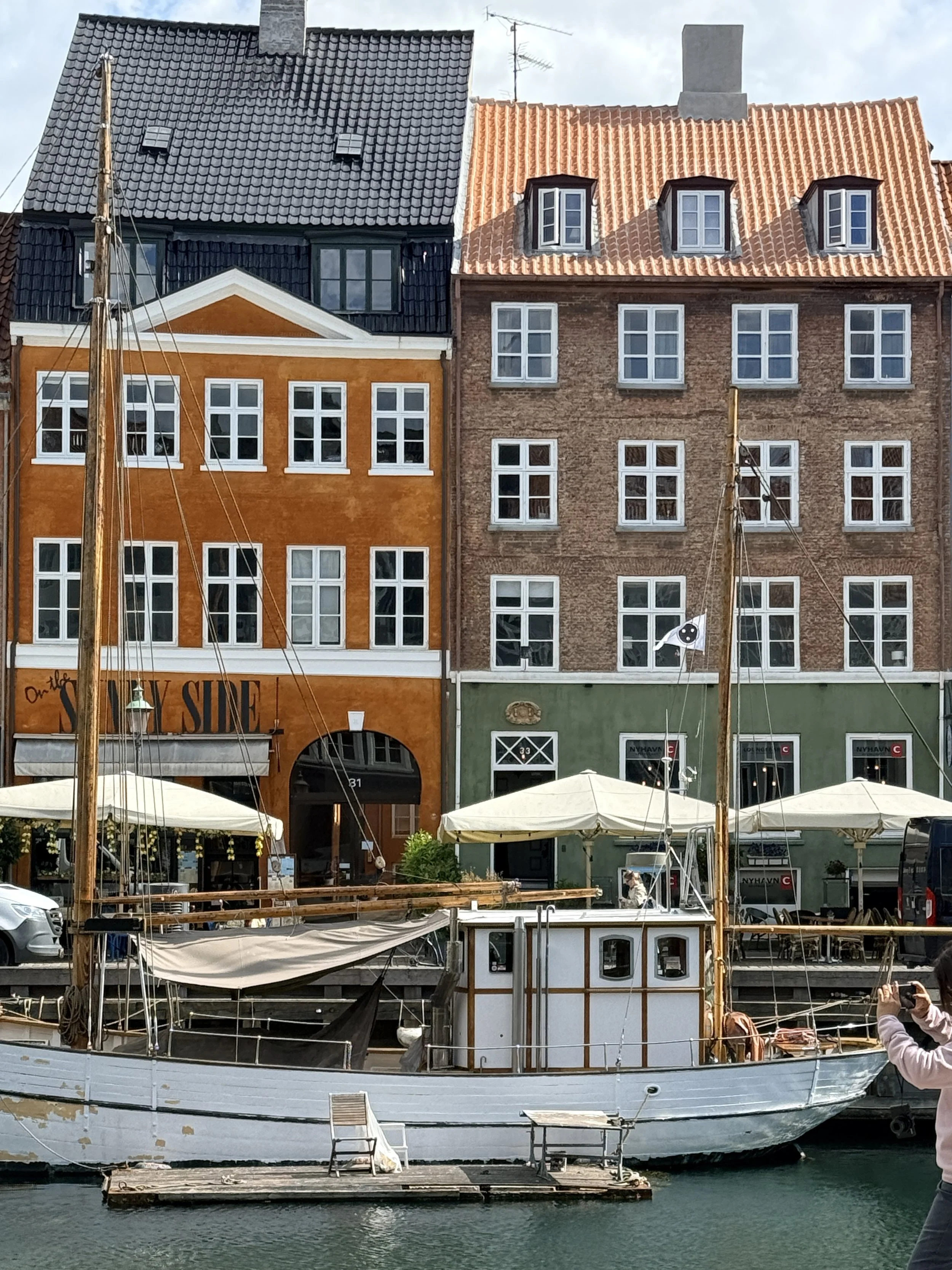
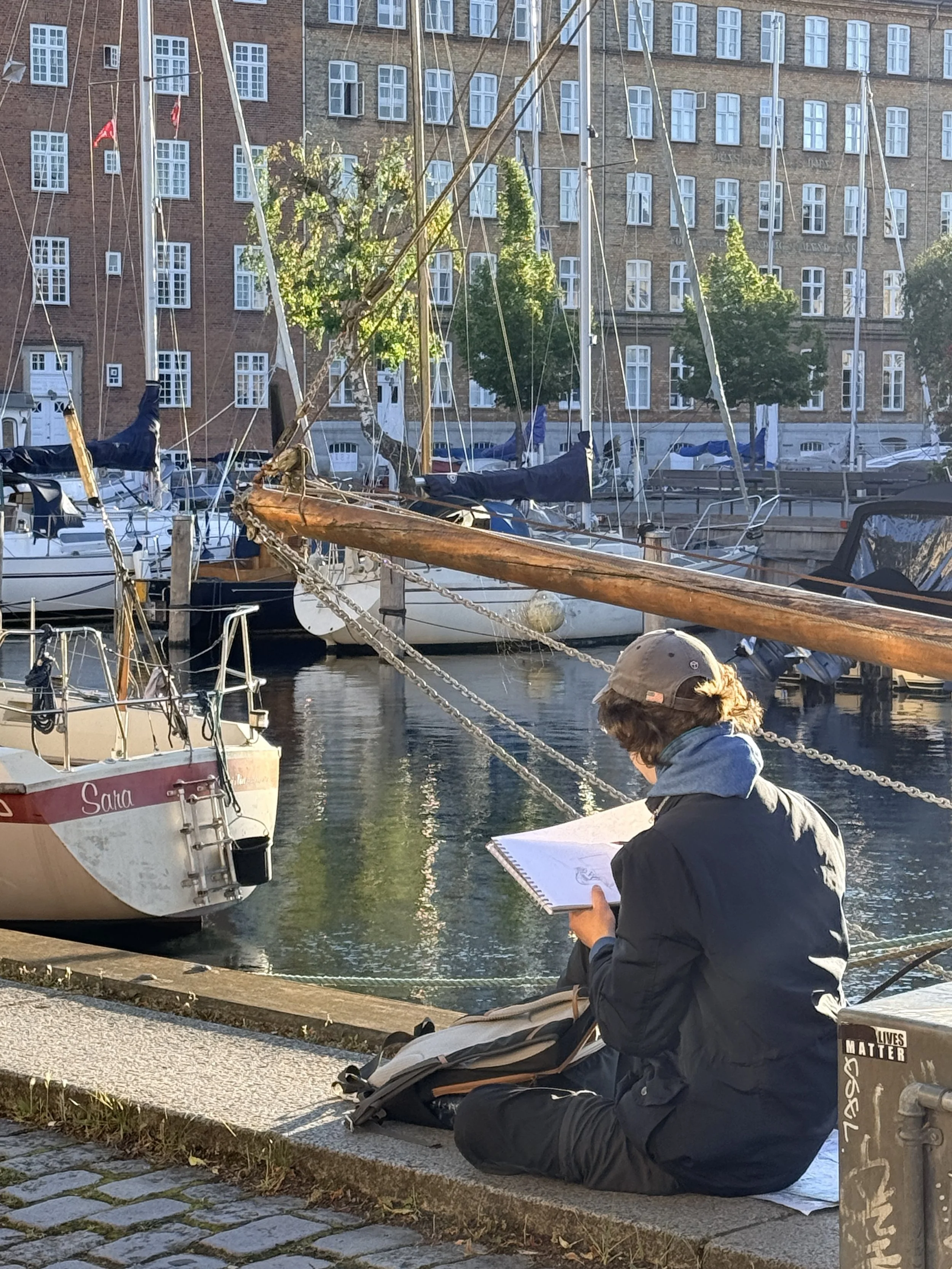
“Happiness isn’t about having all the things we want - it’s about wanting all the things we have.”
1. analogue spaces: Making room for doing, not watching
One of the first things I registered was rooms with nothing to look at.
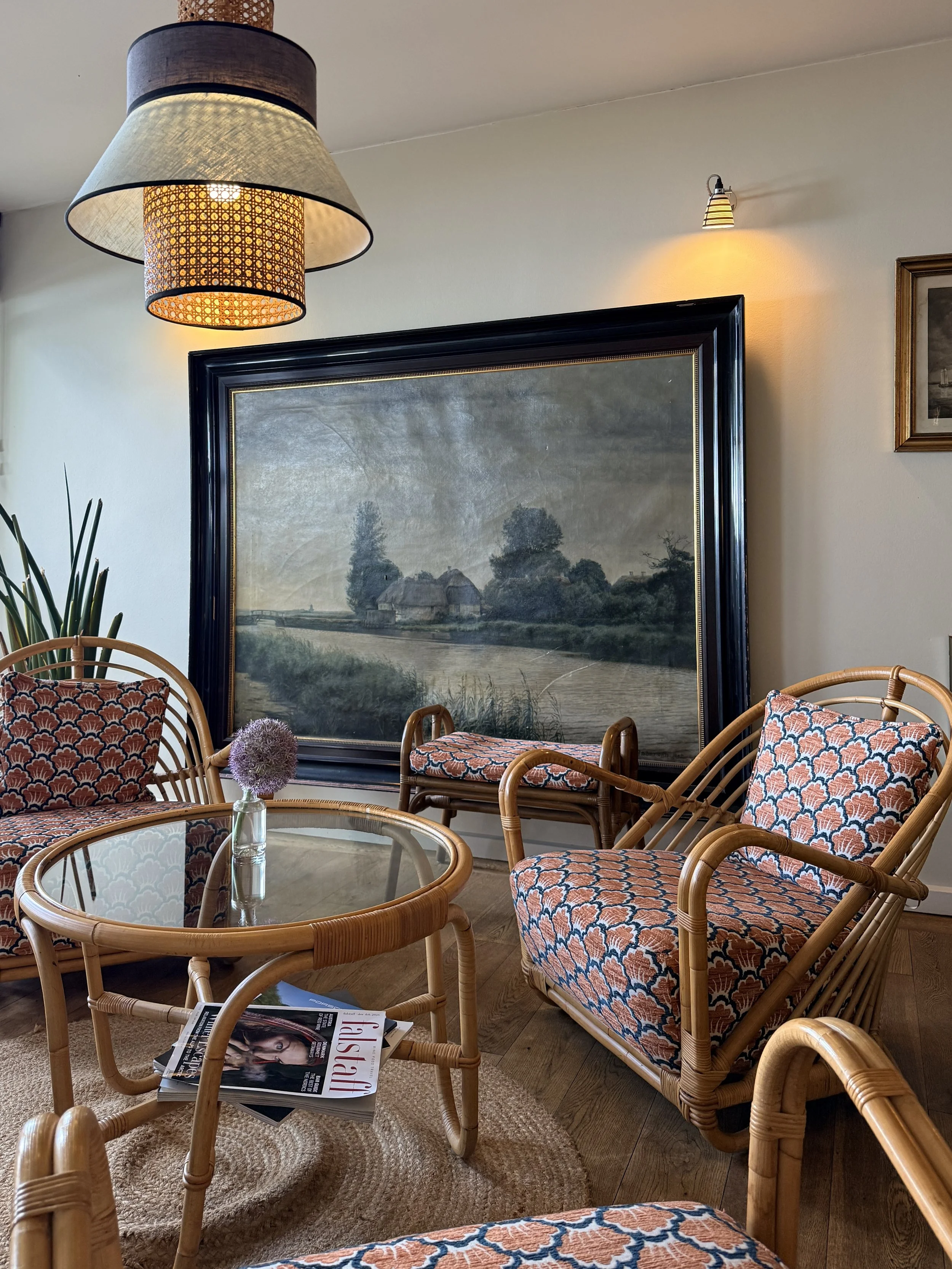
Not empty rooms but rooms with no visible TV. Rooms designed around connection, creativity and contemplation. Danes approach hobbies as core pillars of life and happiness, not an afterthought. Knitting. Reading. Board Games. Playing music badly, and playing it well. There is an unselfconsciousness about hobbies that our homes and we seem to have lost: a side table, a lamp, a comfortable chair angled towards another comfortable chair, and permission to leave a half-finished puzzle or project exactly where it is.
Compare this to the Australian lounge room, which is almost always organised around an oversized television (mine included). In our penchant for open-plan living, we’ve learned to prioritise one large room for watching TV and discarded the ‘formal lounge’ that supported other pursuits.
The design question is a simple, but perhaps confronting, one: if you took the screen out of the room, what would that room be for? This is an analogue space. A room organised around doing rather than watching - no screen, designed for hobbies, conversation and rest.
Answering it properly changes decisions and, perhaps, makes room for life to unfold. Seating turns toward each other for conversation instead of facing a screen. Lighting stops being about washing the room and focuses on the hands - a pendant dropped low over a table for games and puzzles, a floor lamp tucked over a shoulder for reading or knitting. Storage accommodates the equipment of a hobby or the collection of vinyl versus a tablet or phone. And, acoustics matter far more than we are used to assessing because conversation and music are the point.
Perhaps one of the highest-value moves you can make in your home is to repurpose the formal front lounge or the spare rumpus room at the top of the stairs, not into a home office or second TV room, but into an analogue space for whatever hobby takes your fancy.
2. Communal meals: The joy of connecting over a meal
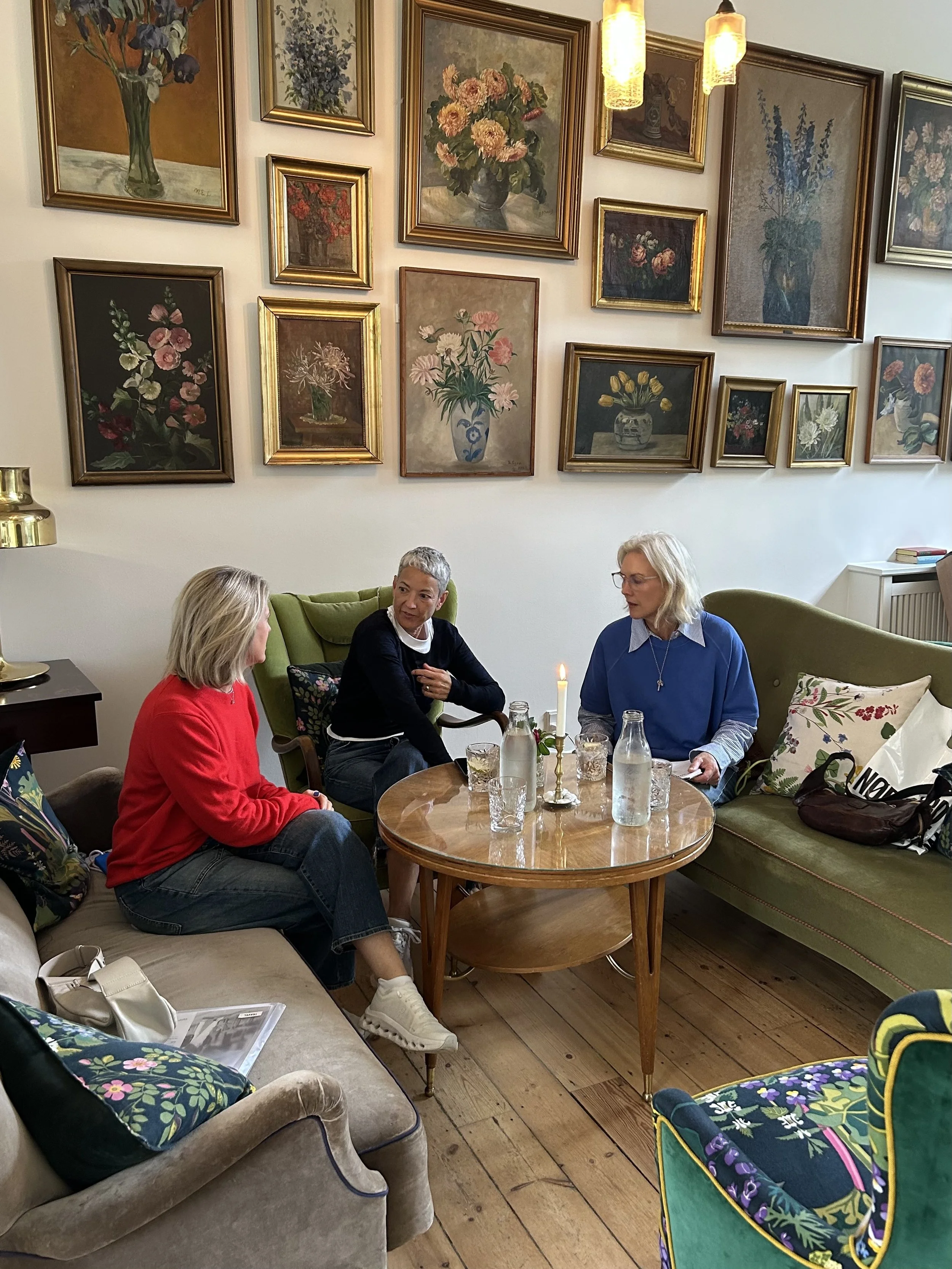
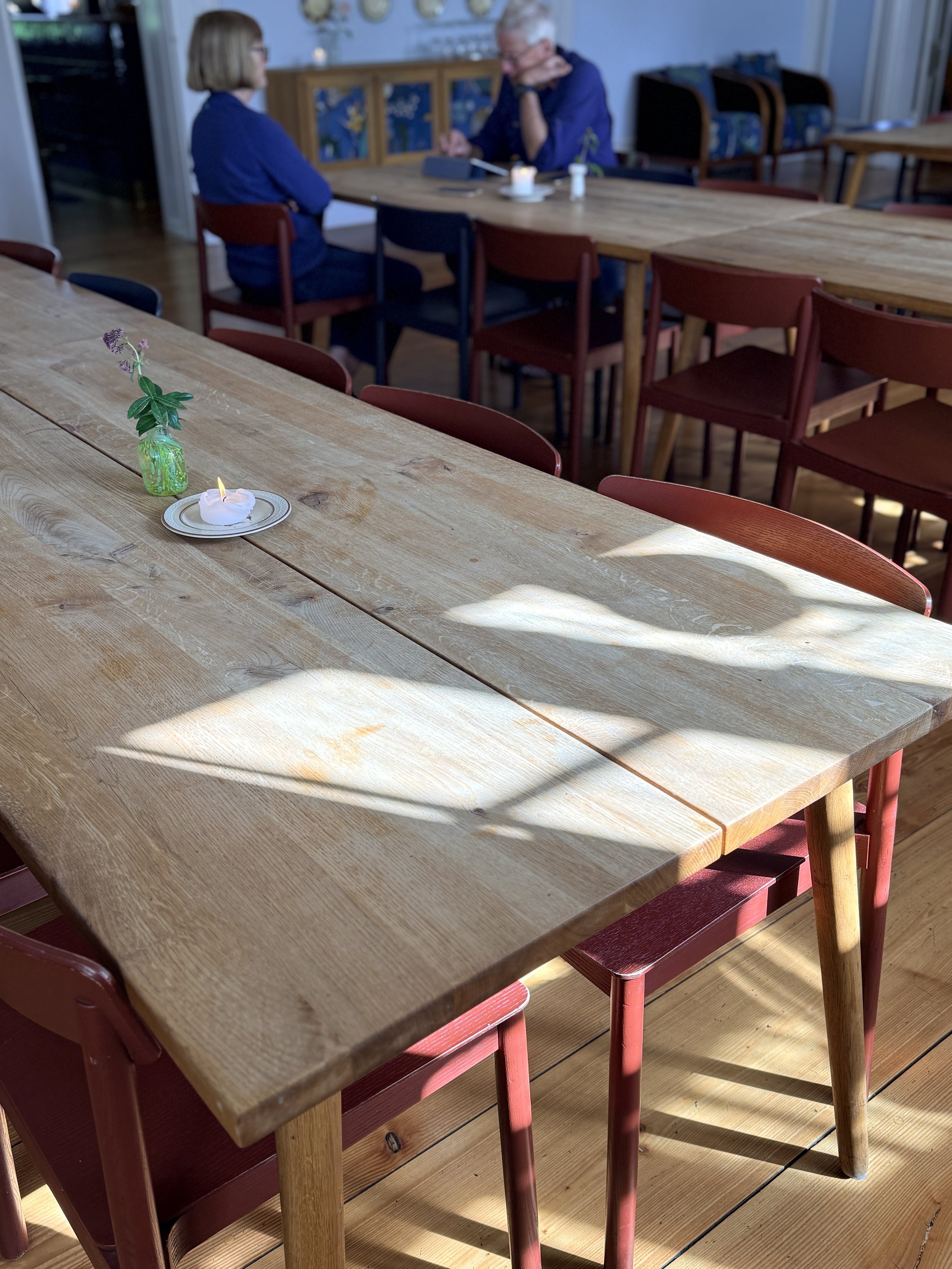
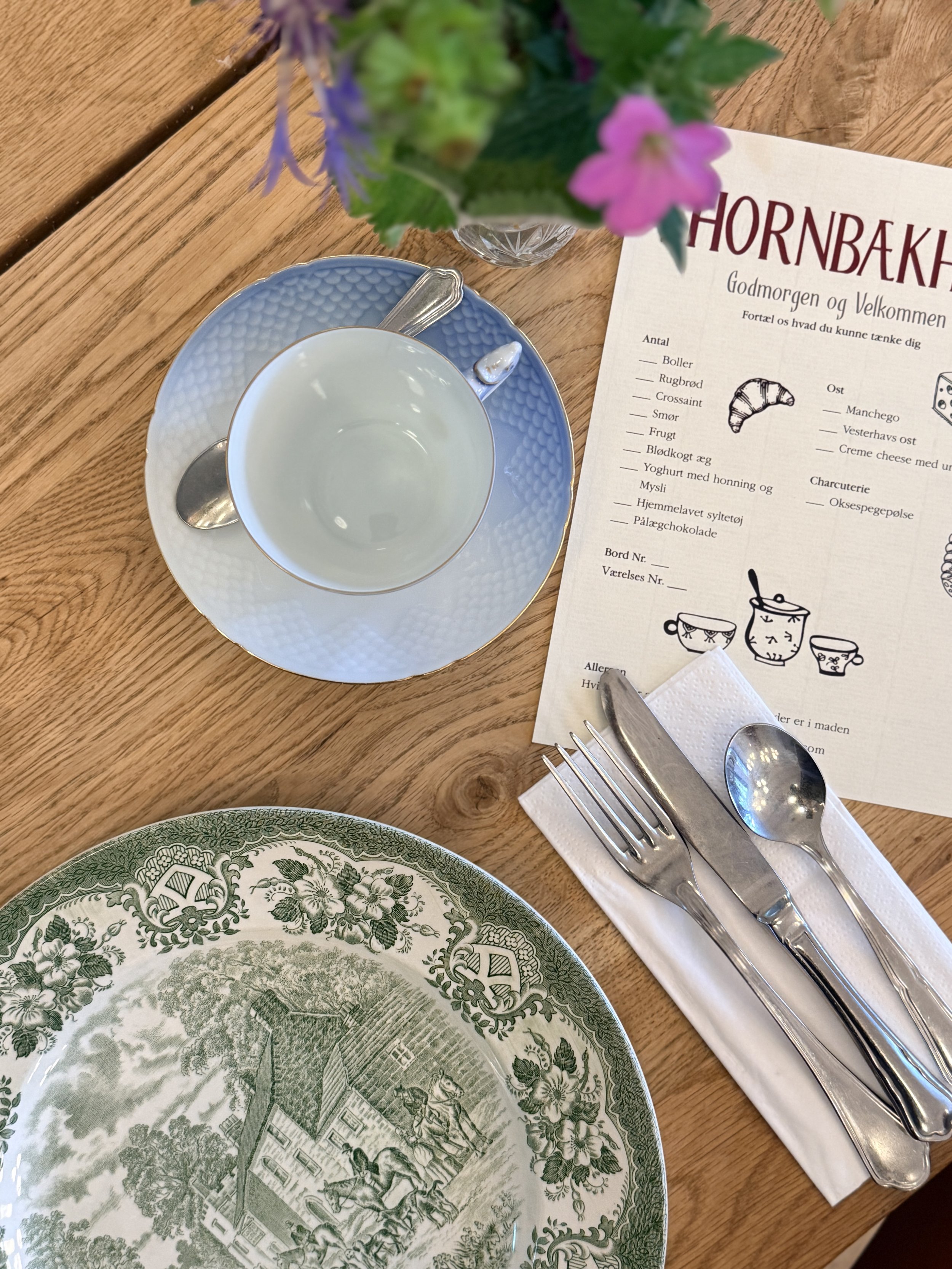
Long tables in cafes. Long tables in hotel restaurants. Communal tables in workplaces, where people sit down together and eat a proper lunch, not at their desk. An arrangement which invites you to engage with others and enjoy the sharing of a meal.
Australians entertain generously but we do it at home, amongst people we already know, often around the barbecue. The public version, where a table is a new opportunity to meet someone new, is far rarer here. Our cafes give us tables for two or four, our workplaces give us a kitchenette and we eat at our desk.
While I’d love to see more communal dining opportunities in Sydney generally, I’m not going to be able to solve for that on my own. But I can focus on what this means in our homes.
For example, the kitchen island has become a ubiquitous fixture in our homes and it has earned its real estate - for meal prep, storage and as a design statement. But, as a place to gather, it regularly falls short. Either there is no provision for seating at all or a row of stools lined up like soldiers awaiting orders. Not very convivial or inviting.
But, one end of the island, cut away to allow seating on three sides where people are face-to-face? That’s more like it. Or, the dining table that accommodates a crowd. Length matters more than width and a table people stay at beats an island people lean on.
3. third spaces: why australian homes have to work harder
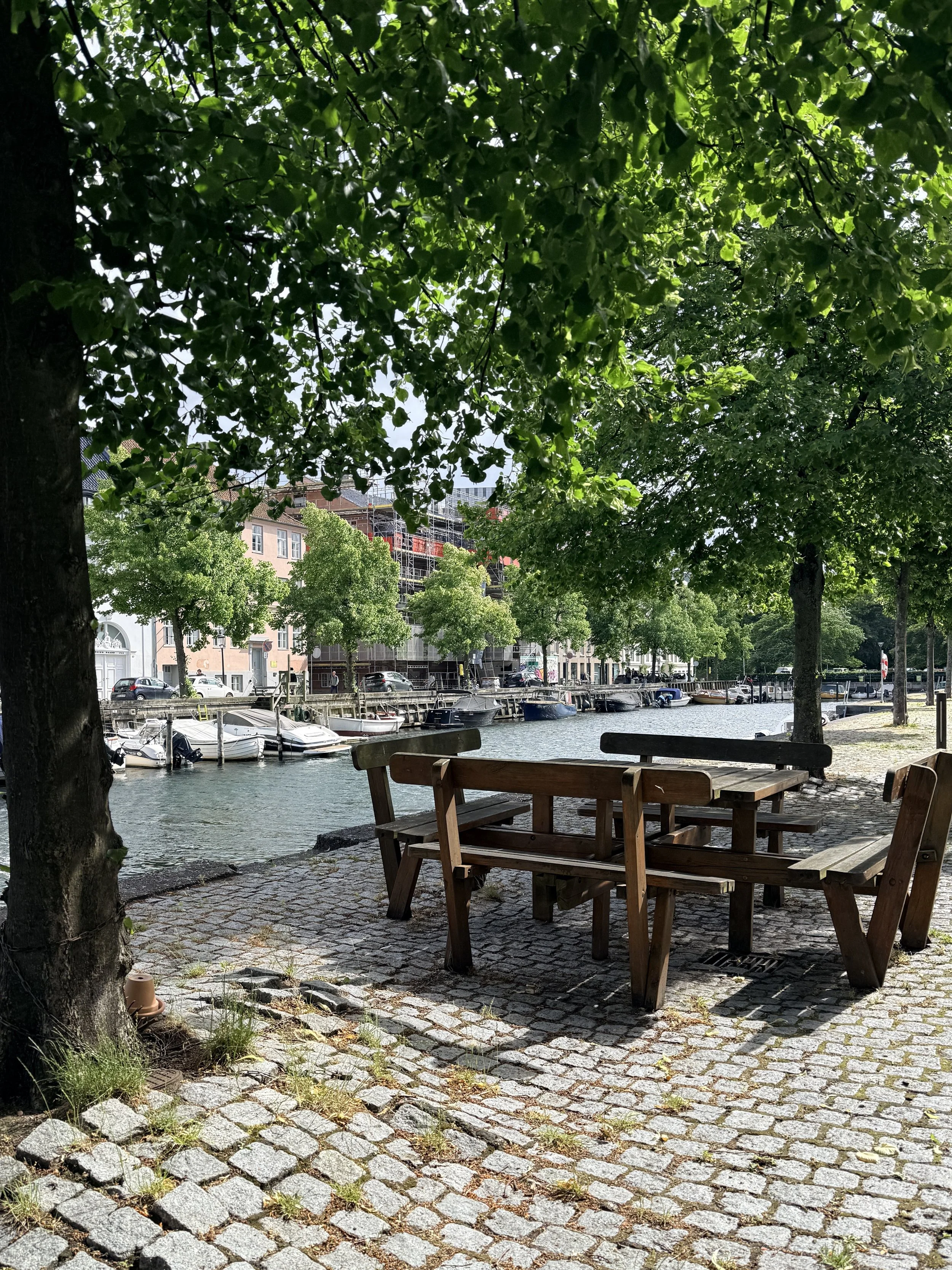
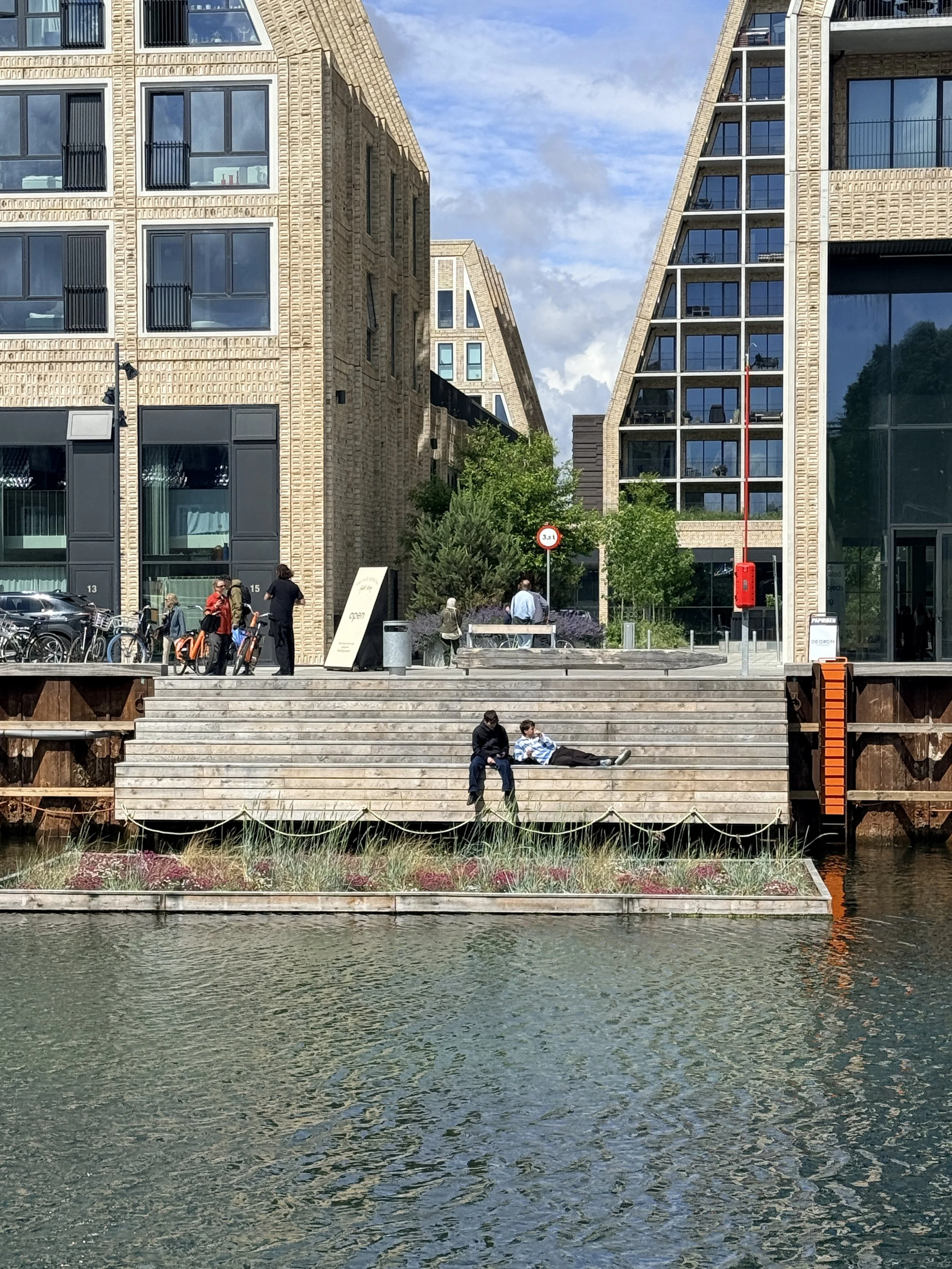
Copenhagen has an abundance of third spaces - somewhere that is neither home nor work, but is a neutral, welcoming spot to relax, meet people and feel a sense of belonging. Some feel planned like hybrid cafe-playgrounds or harbour baths flanked with comfortable decking, but others, like the ubiquitous benches that are everywhere in the city, simply invite engagement.
Sydney’s beaches are certainly democratic third spaces for the public to share and communities often support ‘pop-up’ events that invite social engagement but it doesn’t feel embedded in our culture. (Although some may argue that our version is the ‘pub-culture’!)
Because we have fewer genuinely neutral places to go, our homes are asked to do more. It has to stand in for the third space. It’s where book club meets, where teenagers gather, and, hopefully, where neighbours gather on a Friday evening. What the suburb doesn’t provide, the house absorbs.
This is why the first two points matter even more than they first appear to. A room designed for hobbies and a kitchen designed for connection aren’t indulgences - they’re what fills the gap.
Beneath this is a related observation about European cities, and perhaps our communities in the mid-twentieth century. Homes tend to be porous at the edges - houses meet the street, apartments surround a communal courtyard, porches are used. In Australia, we’ve designed this zone out. Fences have gone up, porches have disappeared, garage doors face the street, and the whole house is reoriented toward the private rear of the property.
We can design some of this back in and balance engagement with privacy. A garage that opens as a gym or workshop, an entry or front garden with furniture and a fence that is more welcoming than fortress. It won’t fix a suburb but changes how a house sits in one.
4. REUSE and Reimagine: building sustainability into everyday
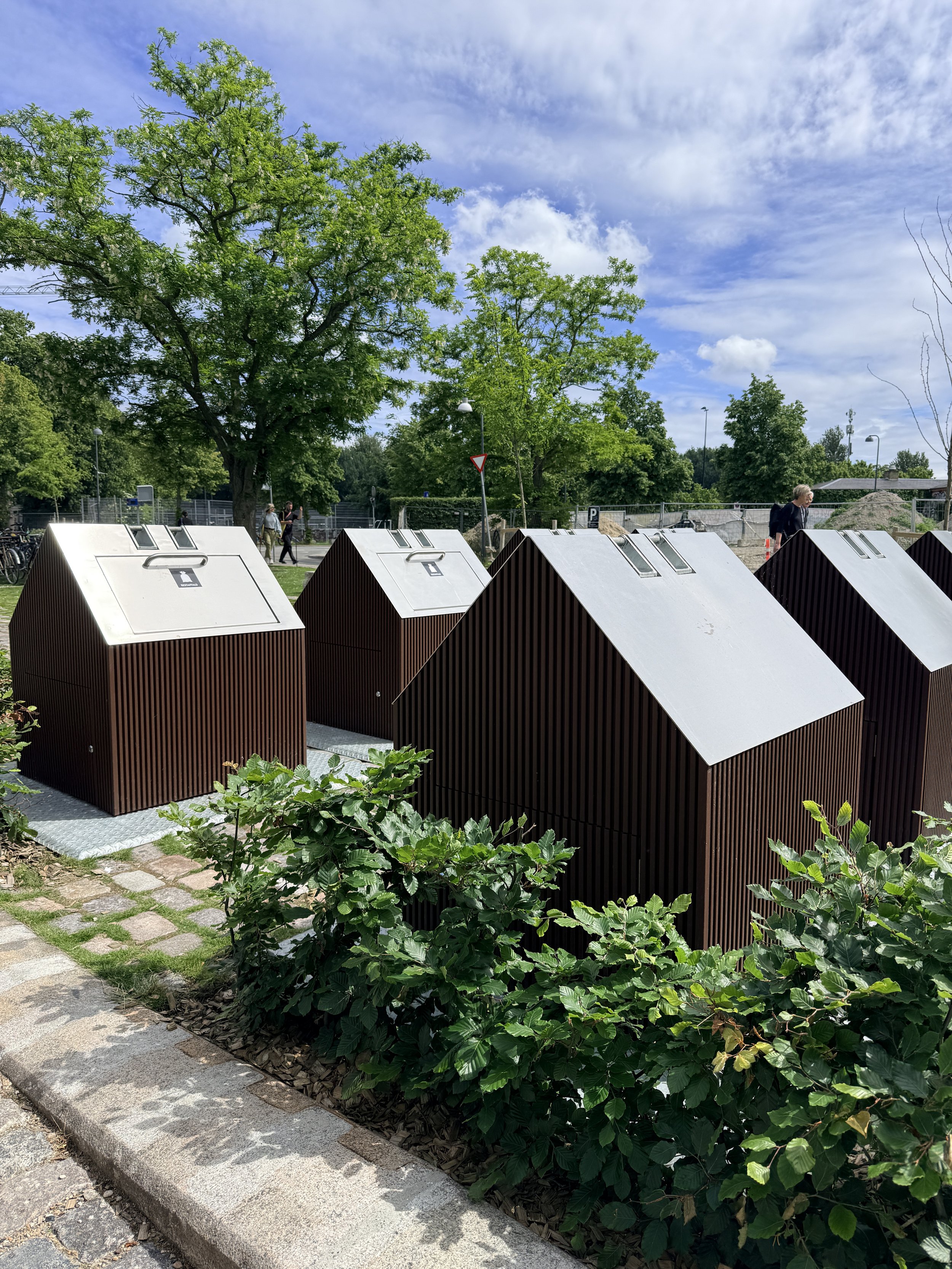
The Danish approach to sustainability and environmental protection is not lip service. It is integrated into every aspect of life. Household rubbish is sorted into ten different categories! Cycling is not a lifestyle statement - it’s simply how they travel - in the rain, wearing a skirt, carrying the kids or friends in the front ‘cargo’ tray. (As the saying goes, ‘There is no bad weather, only bad clothing.’)
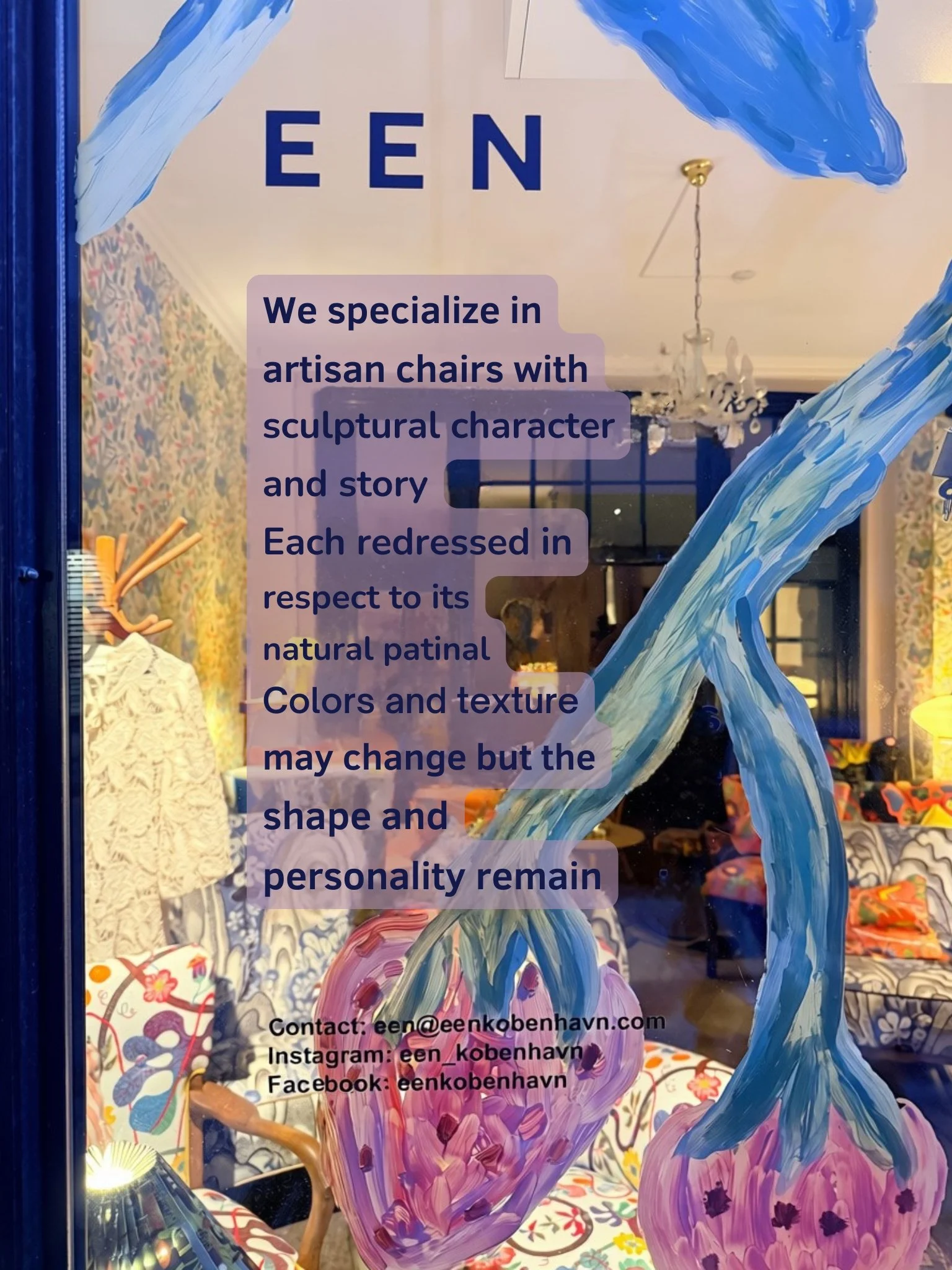
Companies like Muuto offer a robust ‘spare parts’ programme so a chair that loses a fitting doesn’t become landfill. Fashion brand Samsøe Samsøe repairs clothing in store to extend it’s place in your wardrobe. Uniqlo’s RE.UNIQLO Studio in Copenhagen not only repairs clothing but will reimagine worn pieces into completely new garments. Vintage and second hand stores are not novel, they are integral to the Danish style scene.
The parallel for me reinforces principles we already embrace including:
Where possible, retain, reuse and reinvent.
Design for flexibility.
Specify for longevity.
We ask can this sofa be reupholstered or is it built so the frame dies with the fabric? Can the joinery be refaced without tearing out the carcasses? Will the supplier likely be in business in 10 or 20 years when a replacment part might be needed? None of these questions are sexy but they are the difference between a second life or the skip bin.
As a Designer, there is a real tension in this approach. I work in an industry that typically sells trends, newness and luxury. But, honestly, the most interesting homes I’ve ever been in are the ones that are holding things that have been kept, treasured, handed down. A piece with history offers something that a new piece rarely does and it is the fastest way to make a room feel like it belongs to the people who live there.
5. PERSONAL RESPONSIBILITY: Design for engagement
Denmark operates on a baseline assumption that people will do the right thing. Nobody jaywalks. Bikes lean against walls in their hundreds. There are very few regulatory signs. Personal freedom is real and unmistakable and it sits alongside a collective responsibility that isn’t so much enforced as assumed. The concept is ‘frihed under ansvar’ or freedom with responsibility.
You feel it in the landscape of the city. Fewer fences. Fewer gates. Fewer bollards, chains and warning signs. The built environment isn’t policing the public. It is inviting them to experience the city, the canals, and to live fully - something we’re passionate about at TSW!
While it may be a long bow to draw, I think there is a consideration here for home design. It’s almost as if modern design decisions are made defensively with privacy as paramount. The fence, the security cameras, the blinds drawn against the street, the front garden as buffer zone. But, each of these decisions comes with a cost. The expense of not getting to know our neighbours, of blocking light into a room, of maintaining grounds that aren’t used.
None of this is an argument for taking your fence down. It’s about knowing which of these decisions you actually choose versus those you think are expected in a home.

So, No chair.
What I brought home though is an even greater desire to help clients live better, to live beyond ordinary. It’s never been solely about what you want your home to look like but now, more than ever, are the questions how do you want to feel in your home and what activities do you want your home to support you in.
The Danes continue to rank amongst the happiest in the world and I think this is worth aspiring to and learning from. They build from what their days ought to feel and look like.
The long lunch with friends. The hobby left out to be picked up on a whim. The thing that gets mended rather than replaced. The assumption that a neighbour is a positive thing. The cherished memento given pride of place.
Design follows life rather than the other way around.
Often we do this in reverse and then wonder why our homes never quite fit.
So, how do you want to live in your home? It’s a far better question to start with. And, you don’t need to fly to Copenhagen to answer it - but I highly recommend it!
