
Designed for Your Life. Not Everyone Else's Feed.

Your home should look like you. not like everyone else’s algorithm.
There is a a quiet crisis happening in Australian interior design. You can see it in Instagram, in the pages of most design publications, in the renovation reveals that populate your feed with reliable, relentless sameness. Tap that heart to like one post and, immediately, the rest of your feed looks like a carbon copy of the same home.
Arched doorways. Fluted marble . Warm oak. Zellige tile. Venetian plaster walls. And, repeat.
Each of these choices are genuinely lovely, and in the right context, a great design choice. Together, repeated across every renovation, they become the visual equivalent of elevator music. Beautiful, yes. Resonant? Not particularly.
I recently attended Sightlines - a design seminar hosted by Dana Tomic-Hughes, founder of Yellowtrace and one of the most thoughtful voices on design culture in Australia. The conversation that stayed with me the most was what she coined ‘the great flattening’: a phenomenon where design, chasing algorithmic engagement and appeal, has converged on a single aesthetic that manages to be simultaneously everywhere and nowhere.
As an interior designer, this landed deeply. Because it names something that I see with clients all the time: the quiet surrender of personal taste to the pull of what’s trending, what looks great in photographs and, mostly, what a hypothetical buyer might want from your home at some date in the future, if and when you decide to sell.
This month’s article is my invitation to you to resist that pull of surrender. To step back. To hone in on what makes you engaged and feel alive.

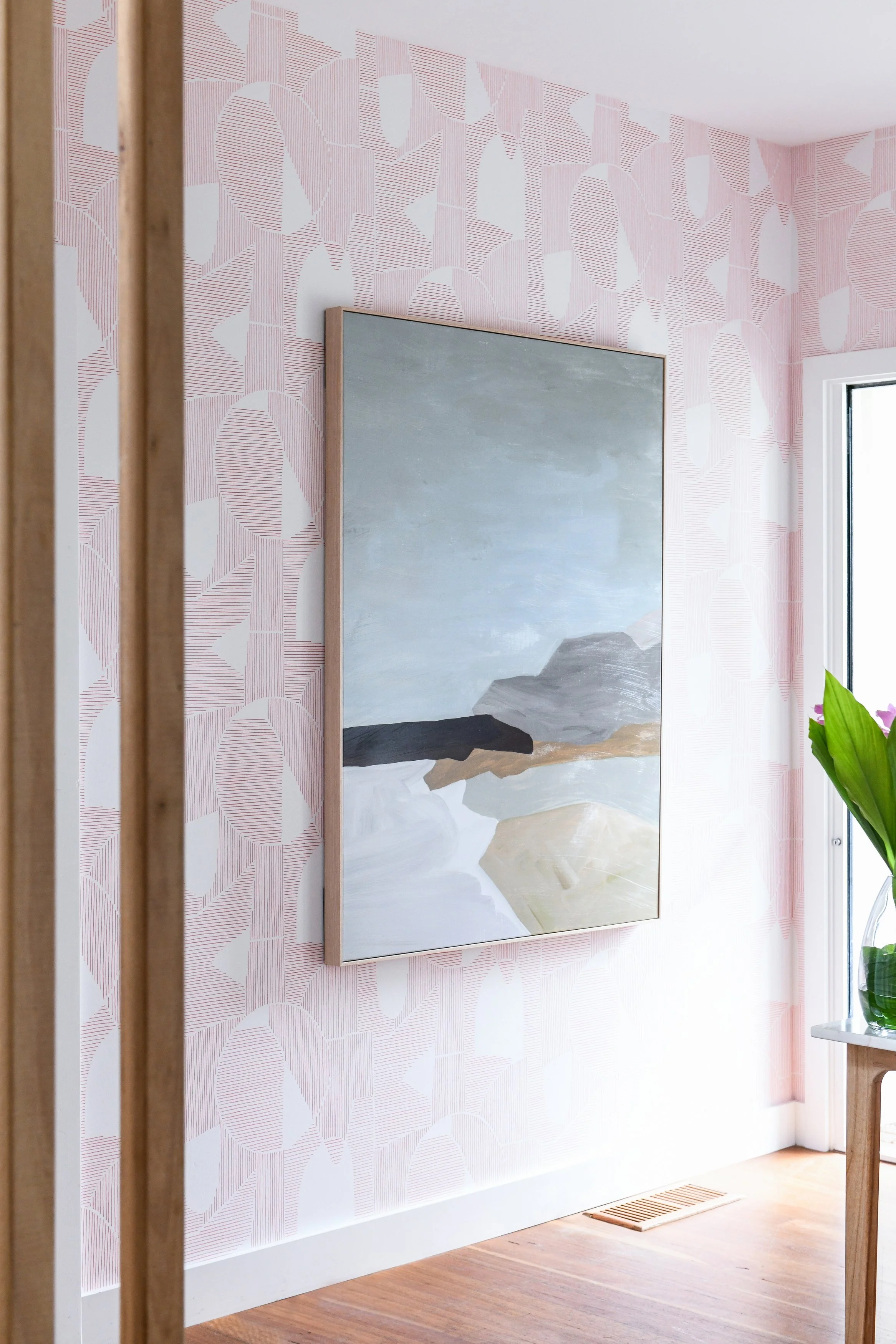
“A home designed not to offend anyone, at any point, is a home that also won’t resonate with anyone.”
DESIGNINg for the algorithm is designing for a stranger
Here is the uncomfortable truth about using social media as your primary design reference tool: the algorithm rewards what’s popular, not necessarily what’s good or what feels extraordinary to live in.
A perfectly styled vignette - three objects, deliberate negative space, moody lighting - all engineered to fit the 4:5 Instagram image. As stylists and designers we love to share these lifestyle shots on our feed but they’re a curated moment, not necessarily a design for real life. Yet this is what many homeowners are using to build vision boards, brief architects and interior designers and make six-figure renovation decisions that last a decade or more.
The result? Homes that are cookie-cutter copies of each other. Homes that are made to be seen rather than lived in.
The question I ask every client before we begin is not ‘what do you love on Instagram or what’s in your Pinterest board’. It’s ‘what lights you up”’ They’re very different questions and result in very different outcomes.
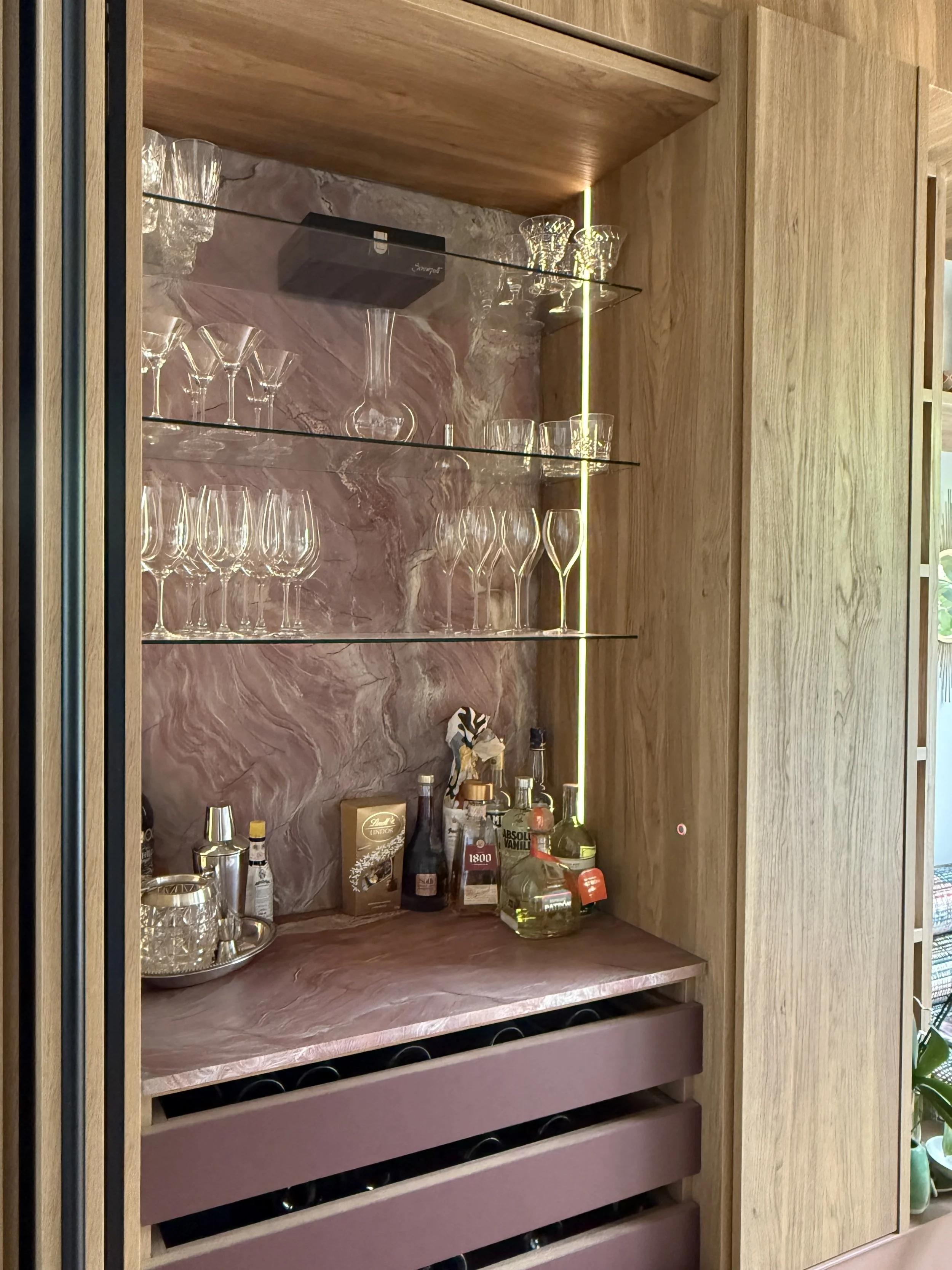
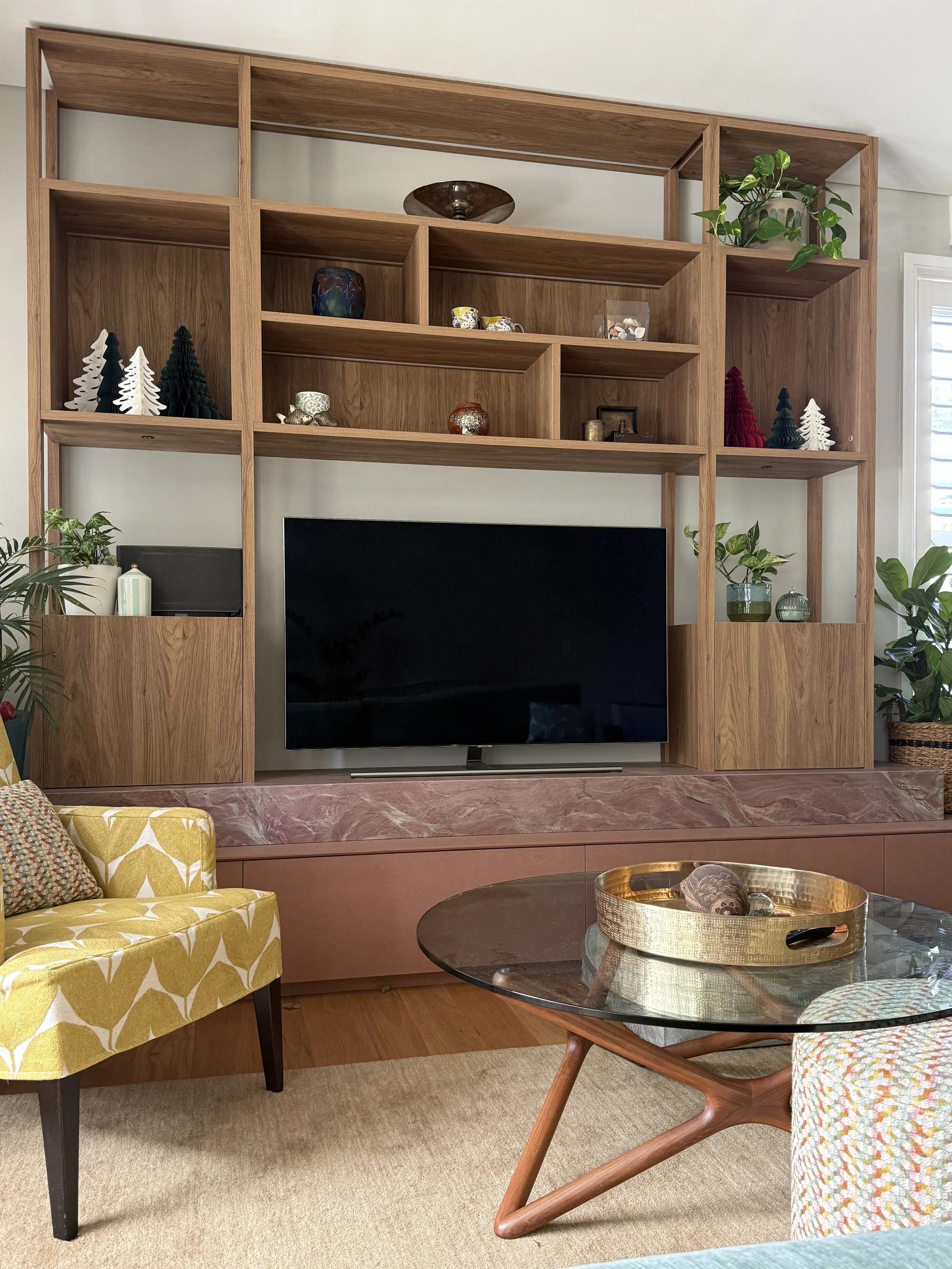
What lights you up might be a colour combination that makes you feel alive the moment you step in the front door or it might be the texture of a leathered, natural stone that makes you want to reach out and touch it. But, more importantly, it might be the laughter of your kids while they’re playing games at the kitchen table or a quiet moment sitting in the morning sun with a cup of coffee. These are the things worth designing around - not the aggregate preferences of an algorithm optimised for likes, not living.
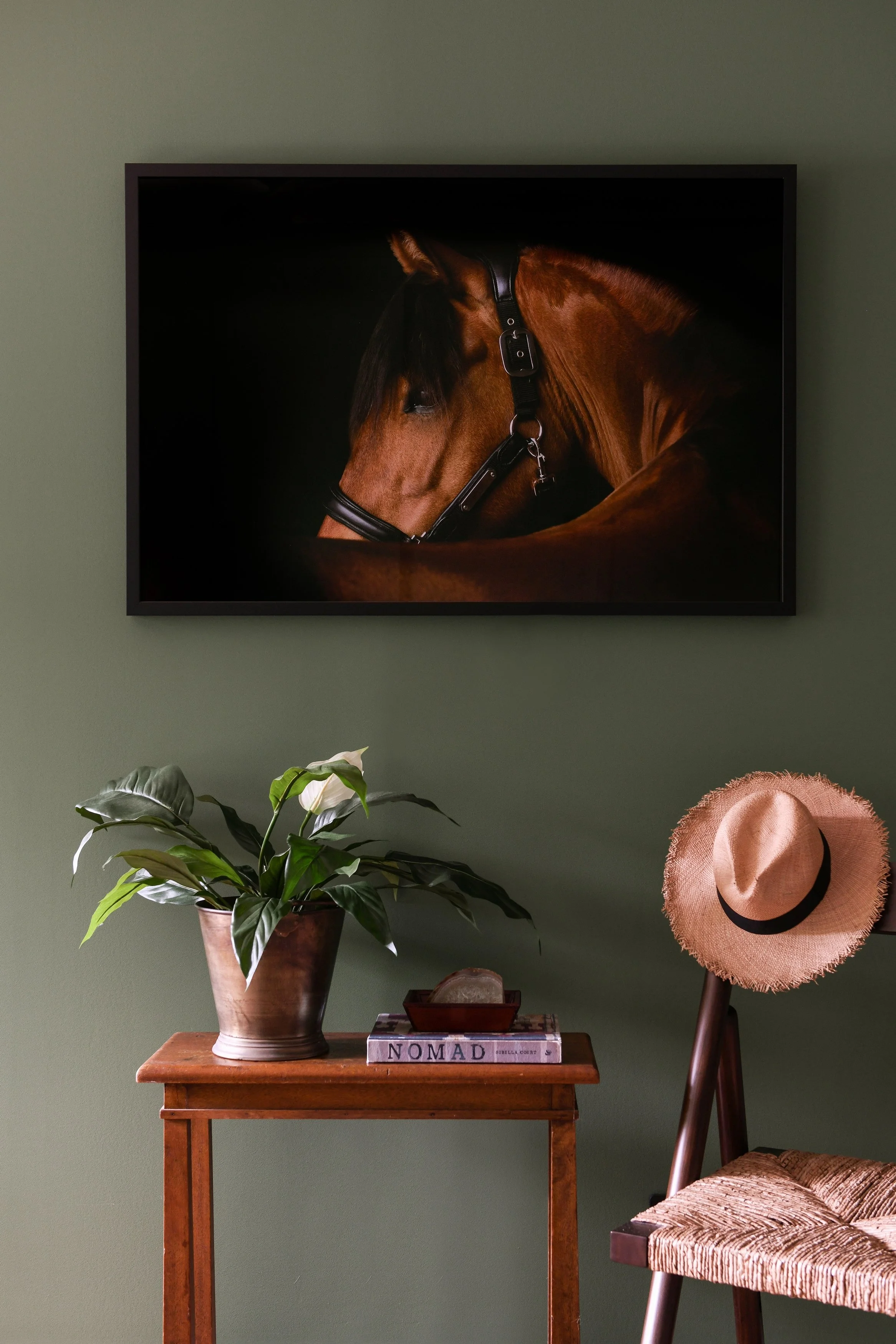
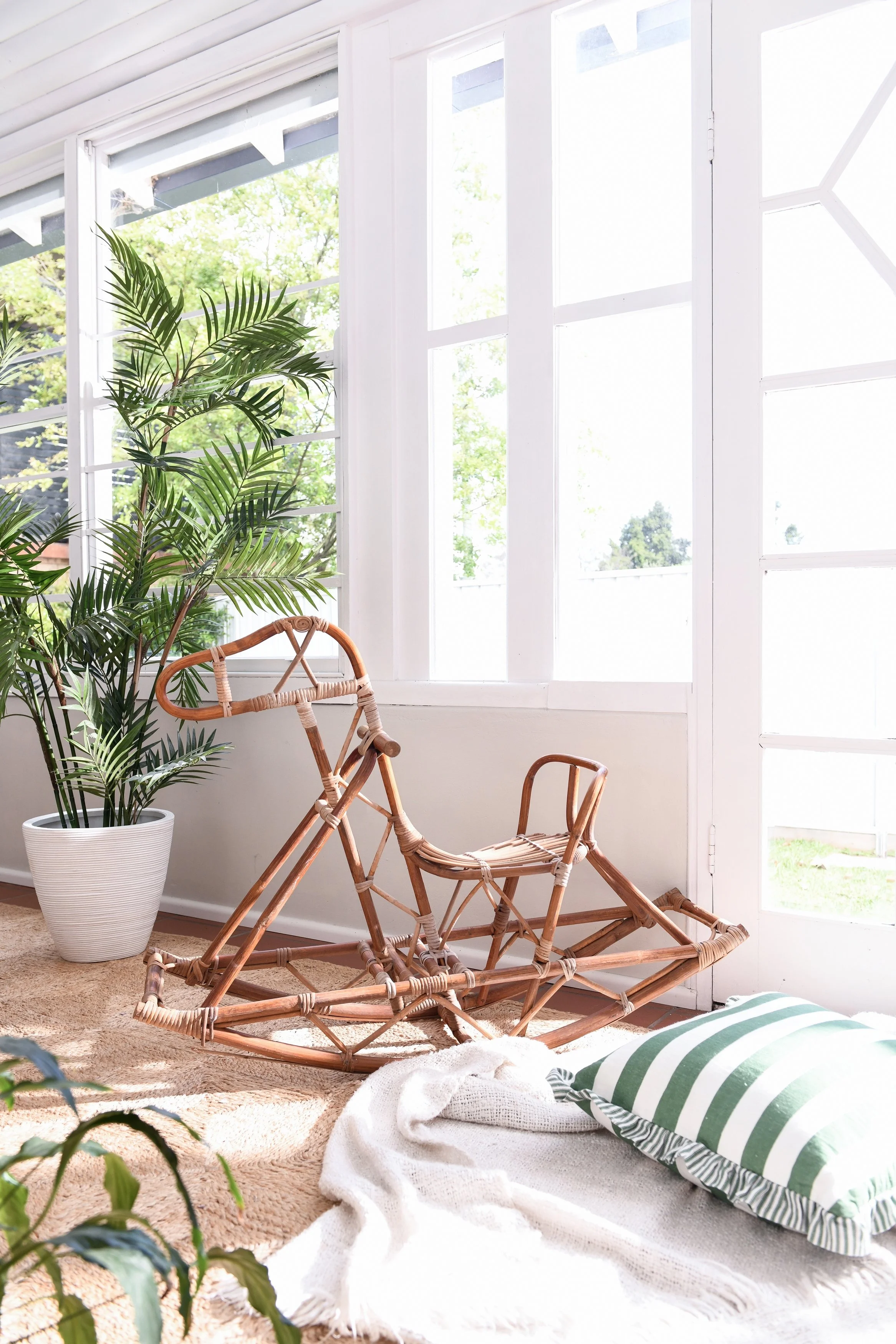
on Quiet luxury: let’s call it out.
Can we talk about the ubiquitous goal of ‘quiet luxury’?
As an aesthetic philosophy, it has real merit. Restraint, quality, considered simplicity. These are design principles worth taking seriously. And, many brands have built their reputations on it.
But in the cultural zeitgeist, quiet luxury has become one of the loudest things happening in design. It is now its own kind of conformity: a trend so ubiquitous it has acquired its own vocabulary - muted, restrained, understated, elevated - and its own look.
I recently toured two, newly built luxury apartment residences in Sydney, both advertised under the quiet luxury banner, and while well-designed and built, they left me feeling completely unengaged. I asked the agent about the design approach and the response was ‘we want our buyers to be able to add their own creative touch and personality’. As a sales tactic, it’s probably appealing but in reality, personality is more than a few styling choices, it is in the fabric of the home - the considered hardware finish, the choice of flooring, the layers of lighting, and more.
The Space Within has never been a quiet luxury studio. Our clients are active, well-travelled, culturally engaged people with children, pets, and definitive personalities. Their homes reflect that.
Whimsy is not the enemy of sophistication. Playfulness is not devoid of quality. A home that makes you smile is not a home that has failed to be serious. It’s a home that has succeeded in being yours.
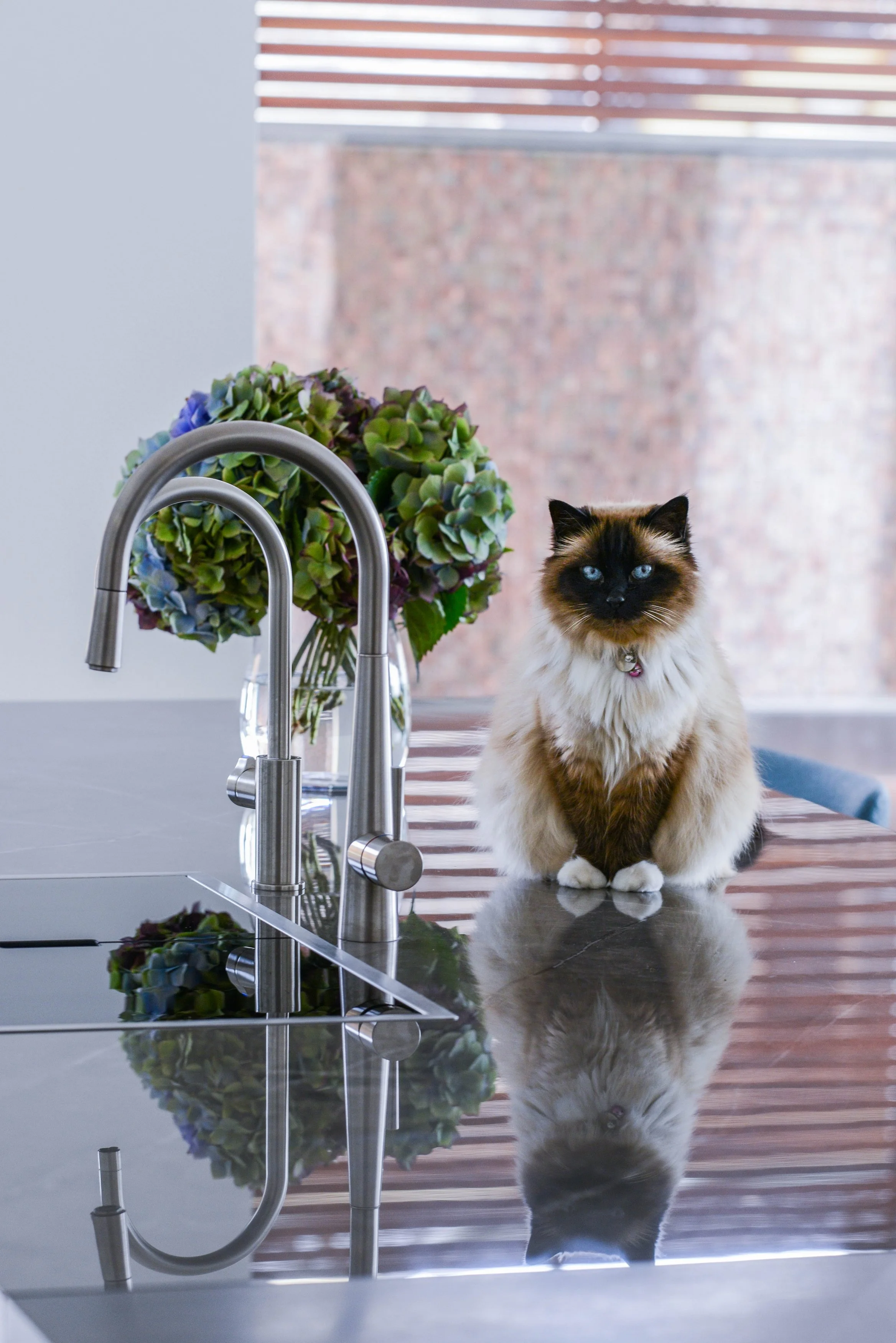
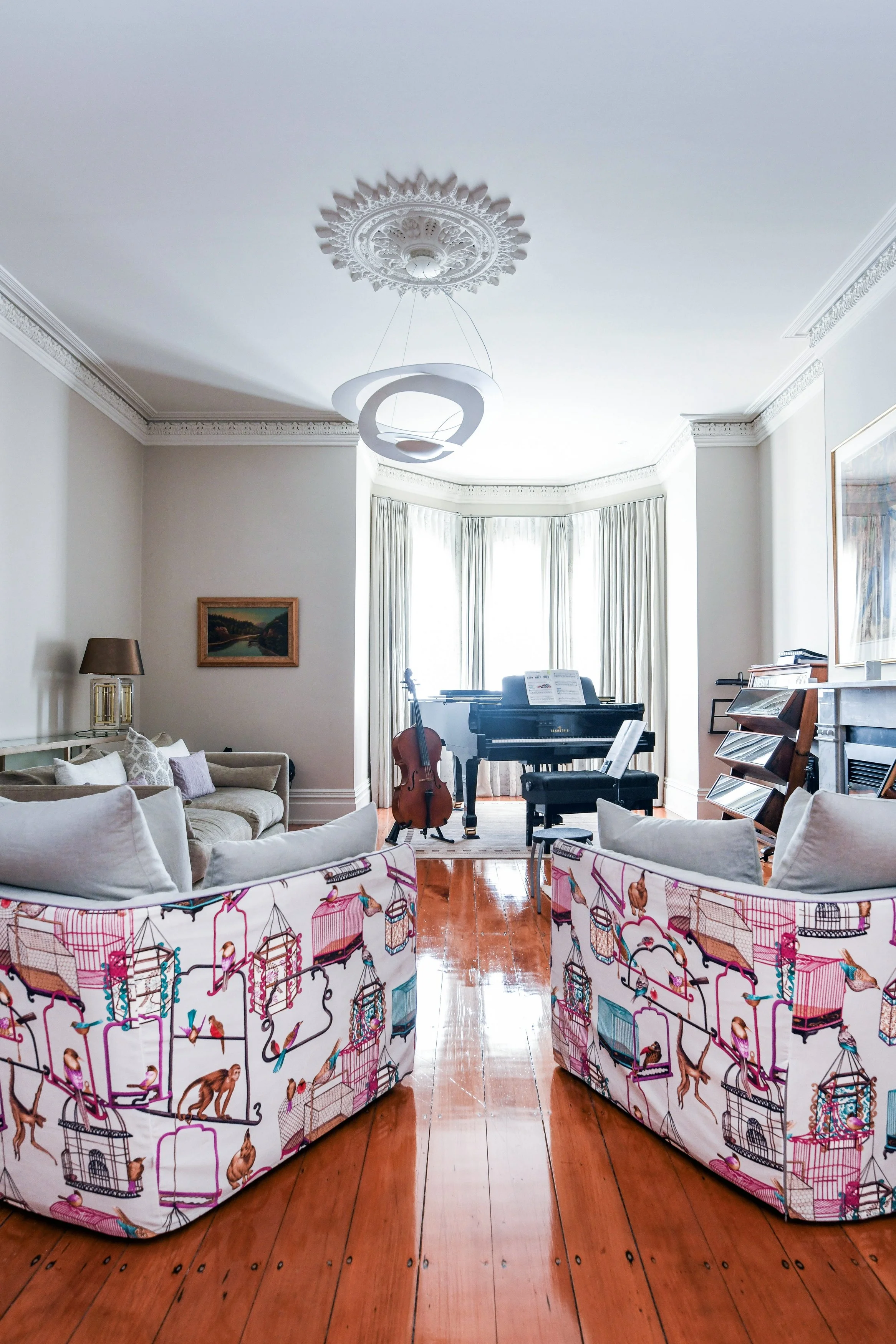
Timelessness is a modernist fantasy
This one is contentious, but I’ll stand by it: the pursuit of ‘timeless’ design has become one of the greatest creativity buzz-kills in residential interiors.
“Timeless” has become code for “safe”. It has come to mean choosing what is already proven popular over a long enough period of time to carry no risk. It means designing for a hypothetical future buyer rather than the people who live there now. It means suppressing what is genuinely interesting in favour of what is broadly palatable.
Here’s the thing about truly timeless spaces: they are never designed to be timeless in the first place. The great interiors we study, reference and revere today weren’t designed for timeless. They were designed by people who leaned all the way into their moment, their client, their point of view. They were specific. They were brave. In many cases, divisive.
A home designed to offend no one, at any point in the future, is also a home that won’t move any one either.
Building and renovating are time-consuming and expensive endeavours. The process can be stressful, overwhelming and scary at times. Who wants to go through that to end up with a home doesn’t engage your emotions in any way?
We can’t promise we can design for a future version of yourself - one whose tastes might shift, who’s children might develop opinions on design or whose family and lifestyle may alter. What we can do is design something that is deeply, genuinely right for who you are now. In ten or twenty years, it will feel like a wonderful record of a chapter in your life. That’s not failure of foresight. That’s a home truly loved and lived in.
Colour is not A Risk. Beige is.
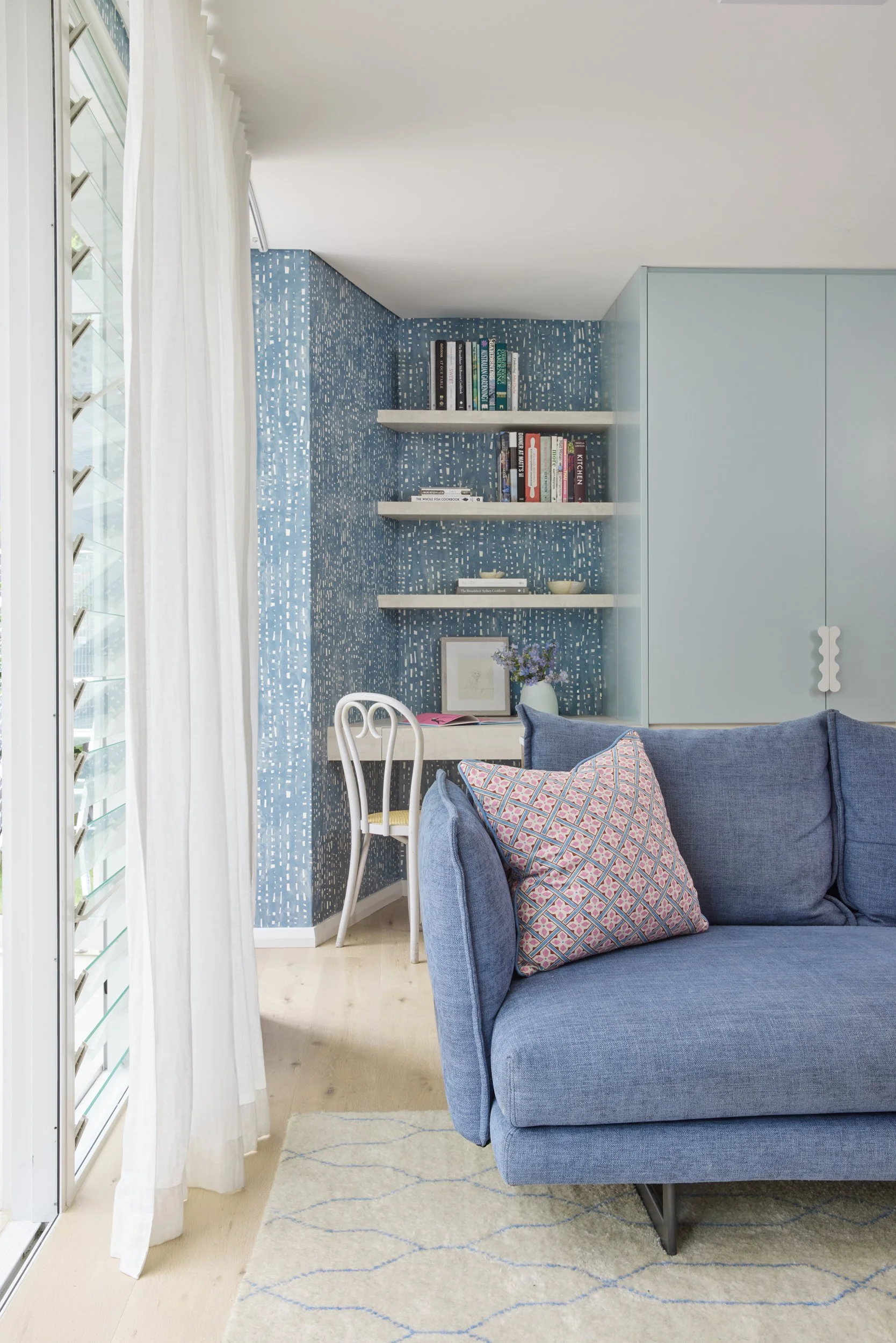
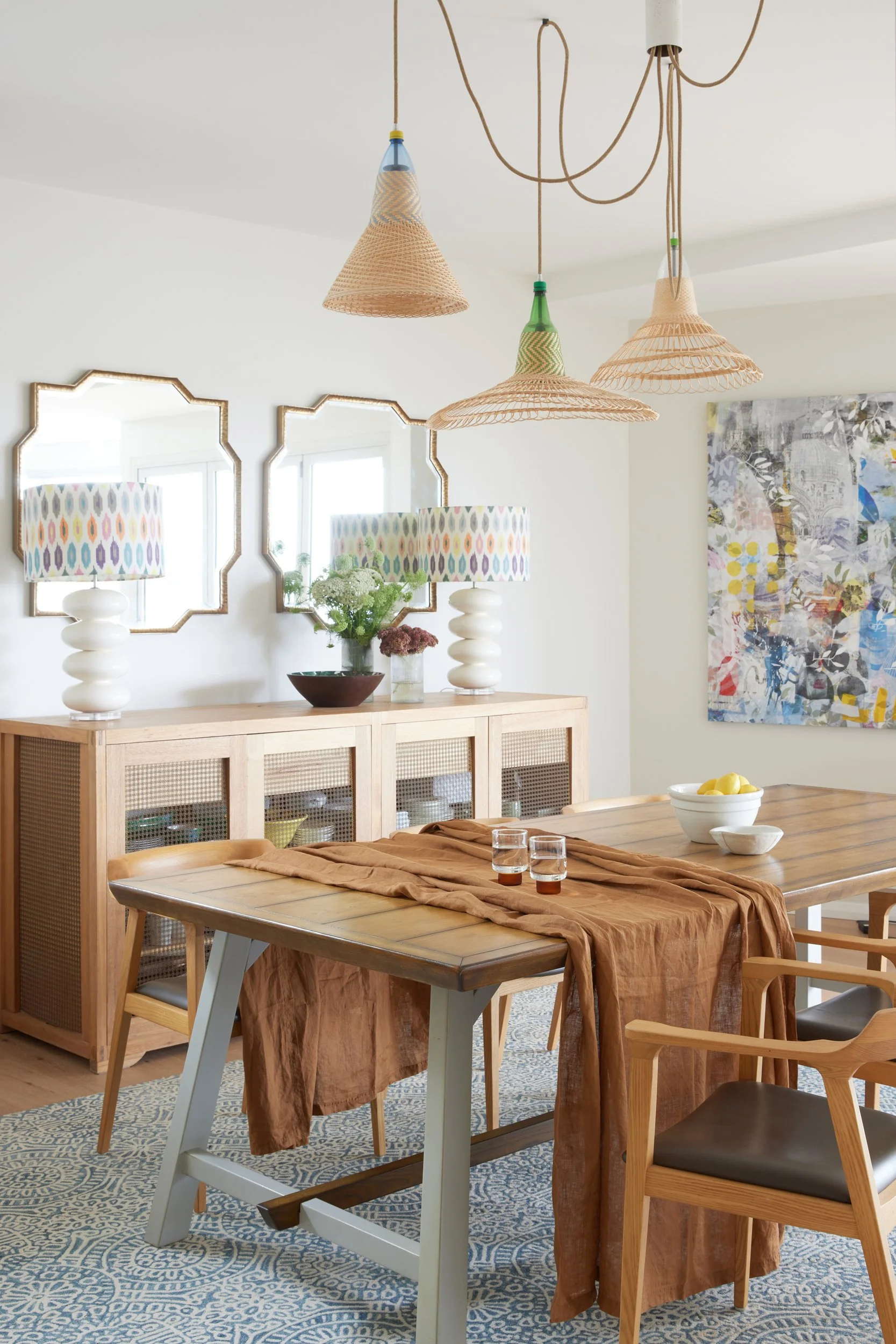
One of the first casualties in the great flattening is colour. We’ve been quietly conditioned to believe that neutrals are safe and the height of sophistication, that white walls are universally appealing and will make every room feel spacious, and that colour is a big gamble.
It isn’t. Colour is neurological.
Our response to colour is deeply physiological - it affects mood, energy, appetite, focus and perception of space in ways that go far beyond aesthetics. A deeply saturated library wall doesn’t just make a statement; it creates a psychological envelope for calm and concentration. An earthy ochre enveloping a dining room doesn’t just look inviting; it genuinely changes how people feel, and interact, around your table.
At The Space Within, colour is a functional and practical design decision, not simply a decorative one. It is one of the most powerful tools we have and, these days, one of the most underused because somewhere along the way people have been trained to shy away.
Neutral doesn’t age better than colour. It just fades quietly, without ever having said anything in the first place.
The real risk isn’t a room with conviction. It’s a room without one.
Breaking out takes three things that don’t fit on a mood board.
Designing a home that inspires you and resonates on the same wavelength that you do requires three things that no amount of scrolling will give you.
The first is bravery. Not the dramatic, save-a-life kind but the quiet kind - the willingness to choose something because it genuinely delights you, even when you can’t find a dozen examples to validate the decision first. (And, when your sister-in-law’s niece, who’s studying interior design, declares it uncool.)
The second is trust. Trust your interior designer to carry through with an idea even when it’s hard to visualise. One of the honest realities of our process - even with AI image rendering - is that we sometimes can’t show you precisely how something will look or feel until it exists. A custom piece at scale reads differently than it does in a 3D model. Some of what we do requires a shared leap of faith and that happens when trust is in place.
The third is letting go. Of the hypothetical future buyer. The resale calculation. The idea that your home’s value is primarily financial rather than experiential. You’re the person who will wake up in this house every morning. You’re the one that will be cooking in that kitchen, overseeing homework at the table and coming home via that entry. Design your home for that person. Because you deserve a home that means something to you.
What this looks like in practice
Two recent projects come to mind when I think about this.
Chubby House in Freshwater is a project that leans strongly into our clients’ point of view. It doesn’t default to the ubiquitous coastal-Hamptons look that so many Northern Beaches reach for. Not because that aesthetic is wrong, but because it wasn’t right for this house or these clients. It has personality, specificity and a design confidence that makes it feel genuinely loved, not staged.
A recently completed renovation in Balmain - not yet photographed - has also done something different. It has responded to the architecture, the street, and the personality of the clients. It does not look like very other Inner-West terrace renovation and that is entirely the point.
Neither of these projects started with a brief to make something different. They started with clients who were willing to be honest about who they are, how they want to live and what they actually love. And, they trusted the process enough to see it through.
Your home is one place the algorithm doesn’t get a vote
Trends will always exist. There will always be a colour of the year, a material moment, an aesthetic consensus. These are not bad things - they reflect the cultural zeitgeist and are worth paying attention to.
But your home is not a trend piece and it’s not a cost-benefit analysis. It’s the backdrop to your real life: where your kids grow up, where you host the people you love, where you start and end your day. It deserves to say something true about you.
The great flattening is real. But it is also, ultimately, a choice. And the alternative - a home that is genuinely, unapologetically yours - is there if you’re willing to reach for it.
If you’re ready to design beyond the ordinary, I’d love to start with what lights you up. Schedule a Call Now
